Doing something no matter how small matters
Make phone calls, create Art, stand up

It is obvious that we see an authoritarian playbook unfolding before our eyes. We can fight the way this country is moving toward fascism and away from democracy — and we all have a role to play.
Doing something, no matter how small, matters. Change rarely happens in a single dramatic moment; it is built from quiet steps, repeated over time, that ripple outward in ways we often can’t predict. We all have agency — the ability to choose, to act, and to influence what happens next. And importantly, we have the choice in how this turns out.
In August 1980, strikes erupted at the Gdańsk Shipyard, led by Lech Wałęsa and other workers, over low wages, poor working conditions, and political repression under Poland’s communist government. These actions sparked the Solidarity Movement (Solidarność), rooted in unity and mutual support, showing that ordinary citizens, acting together, could challenge an authoritarian regime.
I remember sitting in my parents’ kitchen, talking with a member of Solidarność who was visiting the U.S. to speak to groups and even Congress. My parents, along with their local church, helped several university professors who had come to the U.S. in temporary exile with nothing but their suitcases. They helped them find apartments, beds, and the basic necessities we all take for granted — small acts of support that made a world of difference to people uprooted by political oppression. I still have the recording I made of that conversation on an old cassette tape.
Watching —This is the link>: Conversation with Misha Collins and Emily Farallon and their guest Timothy Snyder, a historian known for his work on Eastern Europe and the Holocaust,
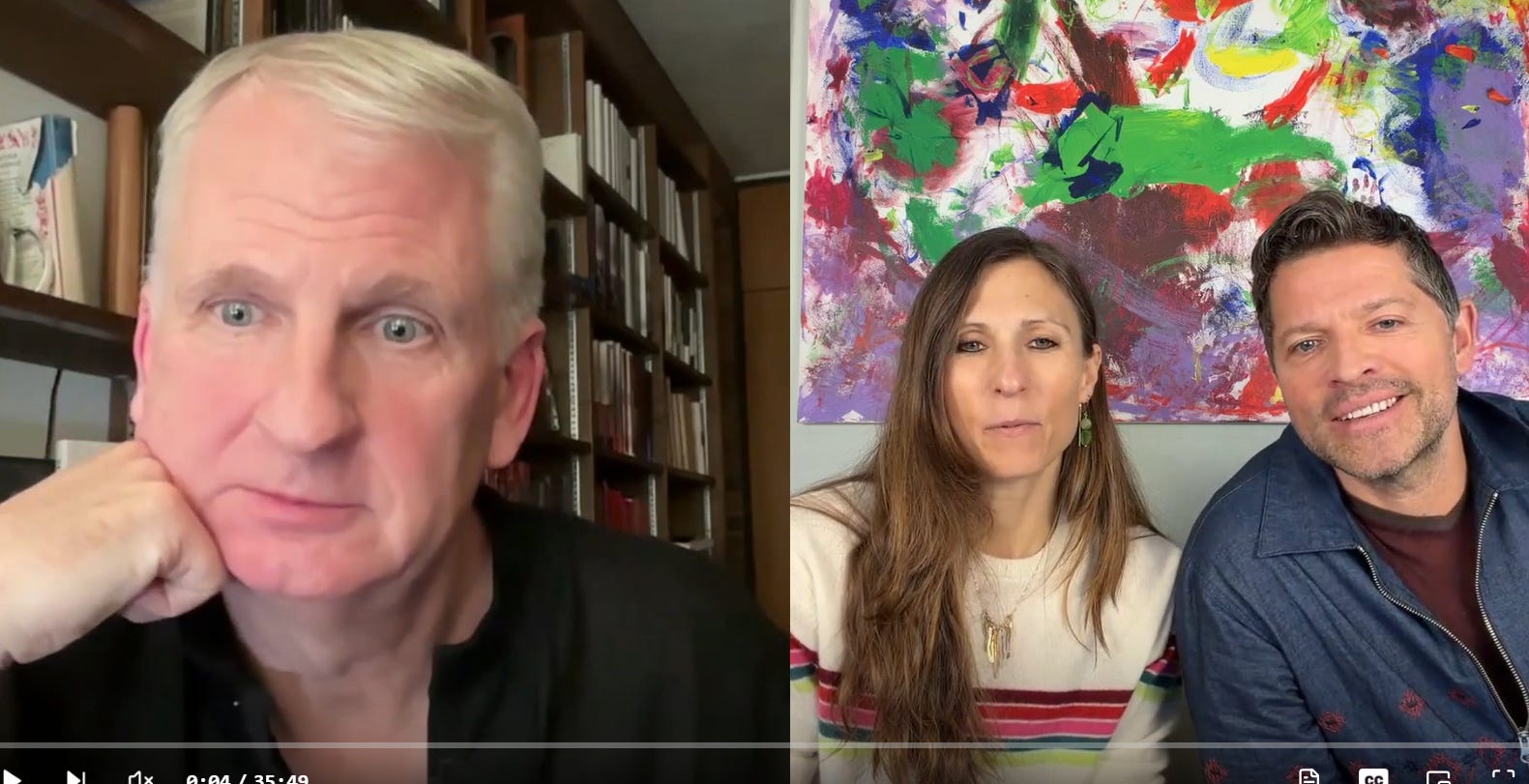
reminded me of that kitchen table conversation. It brought back how small acts of support — listening, sharing what you learn, helping others settle in — can ripple outward and make a real difference in the fight for freedom and justice.
We can exercise our agency in countless ways. Individuals can write letters or call elected officials, choose where to spend money to support local businesses, artists, or farmers, and share accurate information instead of rumors. Communities can organize cleanups, food drives, or art events, form coalitions around local issues, post flyers, hold demonstrations, and show up in numbers at hearings or forums. Civic engagement can include voting, participating in public comment periods, running for local boards or commissions, and signing petitions. Cultural agency — creating public art, preserving local history, hosting workshops — strengthens community identity. Even small acts, like checking in on a neighbor, volunteering an hour a week, donating a modest amount, or mentoring a young person, can make a real difference.
READING LIST:
Books: Autocracy, Inc., The Dictators Who Want to Run he World, by Anne Applebaum. The Siren’s Call, How Attention Became the World’s Most Endangered Resource by Chris Hayes,
Organizations
Indivisible — a grassroots advocacy network that mobilizes for civic engagement, protest actions, and policy change in opposition to perceived authoritarianism.
50501 Movement — the group that coined the “No Kings” slogan and helped launch the protests; emphasizes democratic participation and broad grassroots action.
MoveOn — a national progressive advocacy organization that often supports large-scale demonstrations and civic engagement campaigns.
American Civil Liberties Union (ACLU) — civil rights and liberties organization helping with legal support, organizing infrastructure, and public safety planning.
The League of Women Voters (LWV) is a nonpartisan, grassroots nonprofit organization in the United States that works to empower voters and strengthen democracy through education, advocacy, and civic engagement.
And Public Citizen, labor unions like the American Federation of Teachers (AFT), Service Employees International Union (SEIU), Human Rights Campaign, United We Dream, and Reproductive Freedom for All, NOW,
Create and Share Art
Use hashtags like #ArtistsAgainstFascism to post work online and connect with others doing similar projects.
Join Local or Online Art Activist Collectives
Look for local anti-racist art groups, public mural projects, poster collectives, or progressive art clubs focused on social justice.
Partner with Social Justice Movements
Many civil rights, immigrant rights, LGBTQ+ advocacy, and anti-hate organizations welcome artists to co-create work, host exhibitions, or facilitate workshops.